Avoid fines: illegal dumping penalties in Seven Kings (Redbridge)
If you live, work, or run a project in Seven Kings, the safest way to avoid a nasty surprise is simple: know how illegal dumping penalties work before waste leaves your hands. One loose bag on a pavement, one van load tipped in the wrong place, and suddenly you are dealing with more than a cleanup problem. You may be facing a fine, a warning, or a much bigger headache than expected.
This guide explains the real-world risks of fly-tipping and unlawful waste disposal in Seven Kings, what usually triggers penalties, and how to stay on the right side of local enforcement. It also helps you choose a proper route for disposal, whether that means arranging a lawful clearance, using a licensed service such as waste removal support, or simply being more careful about who takes your rubbish away. Let's face it, waste is boring until it isn't.
Key takeaway: if you can show that your waste was handled responsibly, traced properly, and transferred to the right people, you dramatically reduce the risk of penalties. That's the practical game here.
- Understand what counts as illegal dumping.
- Learn how penalties can arise in Redbridge.
- Spot the warning signs of dodgy waste carriers.
- Use a simple process to protect yourself, your business, or your household.
Table of Contents
- Why it matters
- How it works
- Key benefits and practical advantages
- Who this is for and when it makes sense
- Step-by-step guidance
- Expert tips for better results
- Common mistakes to avoid
- Tools, resources and recommendations
- Law, compliance, standards, or best practice
- Options, methods, or comparison table
- Case study or real-world example
- Practical checklist
- Conclusion
- Frequently asked questions
Why Avoid fines: illegal dumping penalties in Seven Kings (Redbridge) Matters
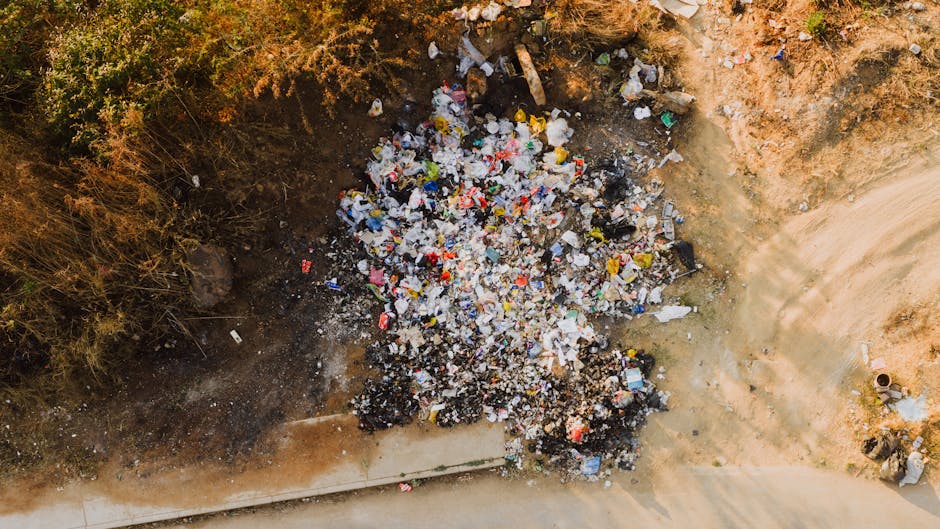
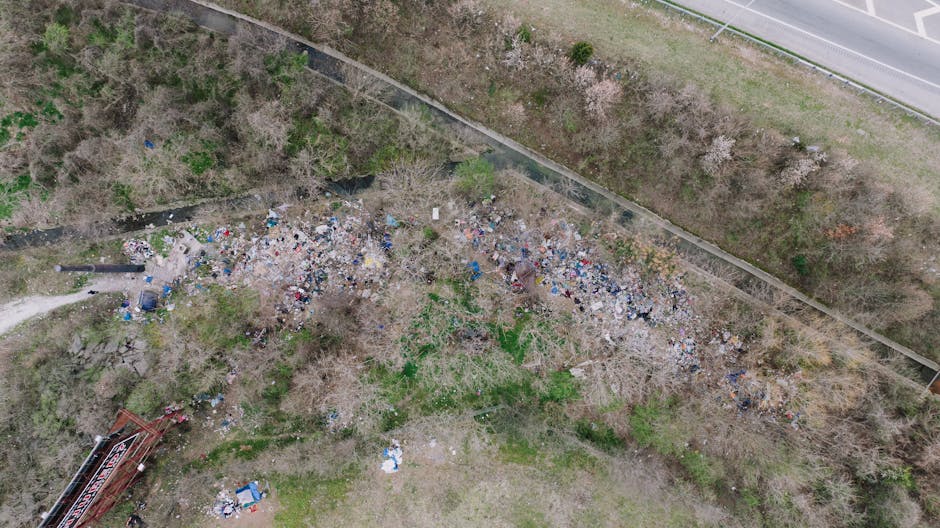
Illegal dumping is not just an eyesore. In a busy area like Seven Kings, it affects streets, alleyways, shopfronts, shared housing entrances, gardens, and local access routes. A single dumped mattress, broken cabinet, or builder's bag can become a wider issue fast. It attracts more rubbish, blocks footpaths, and creates the kind of mess that neighbours notice immediately.
The penalties matter because enforcement tends to be much less forgiving when waste is left in public spaces or disposed of by someone who is not authorised to handle it. If your waste is traced back to you, you may still need to explain what happened, even if you personally never tipped anything. That is the bit people often miss.
There is also a reputational side. A homeowner may just want to avoid a fine, but a landlord, tradesperson, or local business has more at stake. One poor decision about waste can lead to complaints, bad reviews, and awkward conversations with tenants or clients. Not ideal, obviously.
In practical terms, the issue is about control. If you control who takes the waste, where it goes, and what record you keep, you control your exposure. That is much better than hoping nobody asks questions later.
How Avoid fines: illegal dumping penalties in Seven Kings (Redbridge) Works
To understand penalties, it helps to understand the chain of responsibility. Waste starts with the person or business that produces it. From there, it may be handed to a collector, a clearance team, a skip provider, or a transfer facility. If the waste is dumped illegally anywhere along that route, the authorities may look at who produced it, who transported it, and whether there was a proper handover.
In plain English: if you pass waste to someone who cannot prove they are allowed to take it, you could end up sharing the blame. That is why the cheapest option is often the most expensive one in the end.
Illegal dumping penalties can show up in a few forms. Depending on the facts, they may include fixed penalties, enforcement action, prosecution, clean-up costs, or additional consequences for businesses. Exact outcomes vary, so nobody serious should promise a neat figure without checking the situation. But the risk is real, and it grows quickly if waste includes bulky items, builders' rubble, commercial waste, or anything hazardous.
The practical process is usually straightforward:
- Waste is produced during a move, refit, renovation, garden job, or clear-out.
- Someone arranges transport or disposal.
- If the carrier is not legitimate, or the waste is abandoned, dumping occurs.
- Investigators may trace the waste back through labels, invoices, receipts, or items inside the load.
- Penalties may follow if duty of care appears to have been ignored.
That chain is why a little paperwork can save a lot of trouble. Boring? Yes. Useful? Very.
Key Benefits and Practical Advantages
Staying on top of waste compliance gives you more than just peace of mind. It makes day-to-day life easier and often cheaper once you look at the full picture.
1. Lower risk of fines and enforcement action
If you use proper disposal routes and keep records, you reduce the chance of being caught in the middle of someone else's bad behaviour.
2. Cleaner property and better neighbour relations
This matters a lot in Seven Kings, where shared access, compact streets, and closely packed homes mean poor waste handling becomes everyone's problem quickly.
3. Faster project completion
A lawful clearance plan keeps jobs moving. Builders, landlords, and families clearing a house do not want rubbish sitting around for days.
4. Better confidence when hiring help
When you know the right questions to ask, it becomes much easier to choose a reliable provider and reject the ones who look a bit too casual about the rules.
5. Cleaner audit trail
For businesses, keeping compliant waste records is not glamorous, but it protects you if a complaint or inspection happens later.
There is also a surprisingly practical bonus: good disposal planning usually feels less stressful. You book once, clear it once, and move on. No mysterious van load disappearing at 8 p.m. and no wondering where it ended up.
Who This Is For and When It Makes Sense
This topic matters to a wider group than people first expect. It is not only for businesses or major contractors. In fact, the most common risk often starts with ordinary life.
- Homeowners clearing lofts, garages, sheds, gardens, or whole properties.
- Tenants leaving a flat and trying to get rid of bulky items quickly.
- Landlords managing post-tenancy clearances and tenant fly-tipping risk.
- Tradespeople dealing with renovation waste, old fixtures, or packaging.
- Office managers replacing furniture, archive boxes, or broken equipment.
- Small businesses with recurring waste that needs lawful removal.
It makes sense to think about penalties before a problem appears, not after. If your skip is full, your van is tied up, or your household is in the middle of a move, shortcuts start to look tempting. That is exactly when people make bad decisions.
A real-world example? A family clearing out a damp garage on a Saturday morning may be offered a cash-only uplift by a stranger. It sounds quick. It sounds easy. It also sounds like the sort of thing that can come back around later if the items are dumped in a quiet lane near Seven Kings. The smell of old paint tins and wet cardboard might be gone by then, but the paperwork problem can linger.
Step-by-Step Guidance
Here is a clean, practical way to avoid fines and stay compliant.
- Identify the waste type. Household rubbish, furniture, green waste, builders' debris, office waste, and electrical items each need sensible handling. Mixed loads can be especially messy if not planned properly.
- Separate reusable from non-reusable items. This can reduce the amount you need to remove and may improve how efficiently it is handled.
- Choose a lawful route. Use a licensed clearance or removal option rather than handing waste to someone who cannot explain where it goes.
- Ask for proof of responsible handling. You are not being awkward. You are being sensible.
- Keep records. Save invoices, job notes, and any transfer details you are given. For businesses, keep this as part of your normal admin.
- Check the site after collection. Make sure nothing has been left behind and that the area is tidy. Sometimes a half-finished job becomes a fly-tipping complaint because nobody did the final walk-through.
- Report suspicious dumping quickly. If you spot rubbish left on your street or near a communal bin area, deal with it early before it spreads.
If you are planning a larger clear-out, the safest route is often to pair the removal with the correct disposal method. For example, mixed household contents may suit a house clearance, while a business refit may need office clearance or a more general commercial waste solution. The exact choice depends on the load, not just the address.
Expert Tips for Better Results
In our experience, the people who avoid penalties are not the ones who know every line of legislation. They are the ones who build a few smart habits and stick to them.
Tip 1: Never choose a waste carrier on price alone.
A suspiciously cheap quote often means corners are being cut somewhere. Could be insurance, could be disposal, could be paperwork. You rarely find out which until later.
Tip 2: Ask what happens after collection.
A straightforward provider should be able to explain the next step in normal language. If the answer is vague, that is your clue.
Tip 3: Keep waste separate if you can.
Furniture, timber, green waste, and builders' debris are easier to manage when they are not all thrown together in one awkward pile.
Tip 4: Be careful with bulky items outside flats or shared buildings.
In dense parts of Seven Kings, one item left near a bin store can look like an invitation for more dumping. Annoying, but true.
Tip 5: Use trusted policy pages as a sign of seriousness.
A company that makes its health and safety policy, insurance and safety, and recycling and sustainability approach visible is often showing its working. That does not guarantee perfection, of course, but it is a good sign.
Tip 6: Get organised before the van arrives.
A sorted pile speeds things up and reduces the chance of something being left behind. And yes, that little bit of prep can save you money.
Common Mistakes to Avoid
Most problems come from a handful of repeated mistakes. Avoid these and you are already ahead.
- Handing waste to an unknown collector. If they cannot explain where they are taking it, do not hand it over.
- Leaving rubbish beside bins or on pavements. Even if you meant to collect it later, the result can still look like dumping.
- Assuming household waste is harmless. Old paint, fridges, plasterboard, electricals, and garden chemicals can all need special handling.
- Mixing everything together without planning. This makes lawful disposal harder and may increase cost.
- Ignoring the paper trail. The receipt you almost deleted can be the one thing that helps you later.
- Using "mate with a van" arrangements with no clarity. Handy in a pinch, risky in real life.
A lot of people think, "Well, it's only a couple of bags." That is where trouble often begins. Small loads still count, and small mistakes still get noticed. Not always, but enough to matter.
Tools, Resources and Recommendations
You do not need fancy systems to stay compliant. A few simple tools are enough for most people in Seven Kings.
- Camera on your phone: take before-and-after photos of the waste and the cleared area.
- Notes app or folder: store job details, dates, names, and any proof of collection.
- Bin bag labels or tape: helpful if you are separating materials in advance.
- Measuring tape: useful when deciding whether a load is small enough for a straightforward clearance or needs a larger plan.
- A written quote: makes expectations clearer and reduces disputes later.
If you need an idea of service expectations or want to compare how a provider handles different jobs, pages like pricing and quotes can help set the right tone. For bigger or recurring waste, it can also be sensible to review business waste removal options so nothing is left to chance.
One more quiet recommendation: keep a habit of asking, "Would I be comfortable explaining this arrangement later if someone asked?" If the answer is no, stop there.
Law, Compliance, Standards, or Best Practice
Illegal dumping and waste duty of care sit within a broader legal and compliance framework in the UK. The key idea is simple: waste must be stored, transferred, and disposed of responsibly, and people involved in the waste chain should be able to show they acted properly.
For residents and businesses in Redbridge, that means best practice usually includes:
- using legitimate collectors and disposal routes;
- keeping evidence of collection or transfer;
- not abandoning waste on public land, communal spaces, or private property without permission;
- checking whether any items need special handling;
- avoiding informal arrangements that leave no trace.
Where businesses are concerned, record-keeping becomes even more important. A small office, shop, or contractor may not think of waste logs as a priority, but once a complaint lands, those records become very useful. That is the honest truth of it.
If your work regularly creates waste, you may also want to align your process with internal policies and standard operating habits. The pages on terms and conditions and about us can help set expectations for how a professional service approaches responsibility, transparency, and customer care.
Options, Methods, or Comparison Table
When people want to avoid fines, they usually end up choosing between three practical routes. Each one has a different risk level and level of convenience.
| Option | Best for | Main advantage | Main risk |
|---|---|---|---|
| DIY disposal | Very small, manageable loads | Simple if you already have the right vehicle and know where to go | Easy to get wrong if items are bulky or mixed |
| Skip or container hire | Projects with steady waste over time | Good for ongoing collection needs | Can become messy if load types are mixed or access is tight |
| Professional clearance | House moves, office clearances, garden waste, bulky furniture, builder waste | Cleaner process, less admin, more control | Quality varies, so choose carefully |
For a cramped street, stair-heavy flat, or time-sensitive clearance, professional help is usually the least stressful option. For a tiny amount of light household rubbish, a simpler solution may be fine. The point is to match the method to the load, not to your optimism.
Useful service pages to consider, depending on what you are clearing, include furniture clearance, furniture disposal, garage clearance, loft clearance, and garden clearance. Not every job needs the same approach, and that is exactly the point.
Case Study or Real-World Example
Picture a typical Seven Kings weekend. A homeowner has cleared an old wardrobe, a couple of cracked chairs, some bags of loft clutter, and a broken exercise bike. They are tempted by a cheap ad offering to "take everything away today." The price is low, the message is quick, and there is no paperwork. Sounds convenient.
Instead, they ask a few questions: where will the waste go, how is it handled, and what proof will they get? The person offering the service becomes vague, then defensive. That alone is enough to walk away.
They choose a proper clearance route instead, keep the receipt, and take a quick photo of the cleared driveway once the job is done. Later, if anyone asks about the waste, they have a record. No drama. No panic. No "was that my sofa in a lay-by?" moment, which, frankly, nobody wants.
The lesson is not that every informal offer is bad. The lesson is that if a disposal deal cannot be explained clearly, it is probably not worth the risk. A tidy ending is worth a lot.
Practical Checklist
Use this before any clearance or waste handover in Seven Kings.
- Do I know exactly what waste I need removed?
- Have I separated any items that need special handling?
- Have I chosen a clear, lawful disposal route?
- Can the collector explain what happens after pickup?
- Have I asked for written confirmation, invoice details, or a receipt?
- Have I kept photos of the waste before removal?
- Have I cleared access so nothing gets left on a pavement or shared entrance?
- Do I know where to store items safely until collection day?
- Have I checked the area after removal for stray debris?
- If this is business waste, have I kept the records with my normal admin?
Practical summary: if the process feels organised, traceable, and slightly boring, that is usually a good sign. Waste compliance should be dull. Dull is safe.
If you want to keep things simple, start with a proper plan and a service that treats waste as something to be handled carefully, not rushed out of sight. You can also review home clearance if the job involves a full property or mixed domestic contents.
Get a free quote today and see how much you can save.
Conclusion
Avoiding illegal dumping penalties in Seven Kings is mostly about judgement, record-keeping, and choosing the right disposal route. You do not need to become a waste law expert. You just need to avoid casual mistakes, keep a paper trail, and be wary of anyone who seems too relaxed about where the rubbish goes.
That approach protects your money, your time, and your peace of mind. It also helps keep the local area cleaner, which matters more than people admit until they are the one staring at dumped bags outside their gate on a wet Tuesday morning.
If you stay organised, ask sensible questions, and use trustworthy services, you give yourself a much better chance of staying clear of fines. Simple really. Not always easy, but simple.
And if you do it properly now, you will probably never have to think about it again. Which is a good thing, honestly.
Frequently Asked Questions
What counts as illegal dumping in Seven Kings?
Illegal dumping usually means leaving waste somewhere it should not be left, such as a street, alley, verge, communal area, or private land without permission. It can also include handing waste to someone who later abandons it.
Can I be fined if someone else dumps my waste?
Yes, potentially. If your waste can be traced back to you and you did not take reasonable steps to use a proper disposal route, you may still face questions or enforcement action. Keeping records helps a lot here.
How do I avoid getting caught out by a bad waste carrier?
Ask where the waste will go, get written confirmation, and avoid anyone who only wants cash and gives vague answers. A legitimate provider should be able to explain the process clearly.
Is it illegal to leave rubbish next to a full bin?
It can be, yes. If rubbish is left beside a bin instead of being collected through the proper route, it may be treated as abandoned waste or fly-tipping depending on the circumstances.
Do household items like sofas and wardrobes count as fly-tipping risk?
They can. Bulky household items are often dumped illegally when people do not have the right vehicle or do not want to pay for lawful removal. That is where trouble starts.
What records should I keep after waste collection?
Keep invoices, receipts, any job notes, and photographs if possible. For businesses, store them with your normal records so you can show a clear audit trail if needed.
Are garden waste and builder waste treated the same way?
No, not always. Garden waste, soil, rubble, timber, plaster, and mixed renovation debris can all need different handling. The more mixed the load, the more care is needed.
What should a business in Seven Kings do differently?
Businesses should be especially careful about documentation, repeat collections, and responsibility for contractors. Good records and a clear disposal routine are essential, not optional.
Is the cheapest waste removal option usually the safest?
Usually not. Cheap can be fine, but if the service is unclear about disposal, insurance, or paperwork, the low price can turn into a very expensive problem later.
What is the quickest safe way to deal with a bulky clear-out?
For many people, the quickest safe way is a professional clearance arranged in advance. It reduces lifting, transport stress, and the risk of dumping items somewhere unsuitable.
Can I use a service for a flat, house, garage, or loft clear-out?
Yes. Different types of property clearances suit different loads, and choosing the right one can make the process much smoother. For example, flat clearance is often the right fit for stair access and compact spaces.
What should I do if I see dumped waste near my property?
Do not move it blindly if it could be hazardous. Note what you can safely observe, keep distance if needed, and report it through the appropriate local route. If it looks dangerous, treat it cautiously and get help.
How do I know a company takes waste responsibility seriously?
Look for clear information on safety, insurance, sustainability, and payment. A provider that explains its process openly is usually a better bet than one that just offers a quick price and disappears.