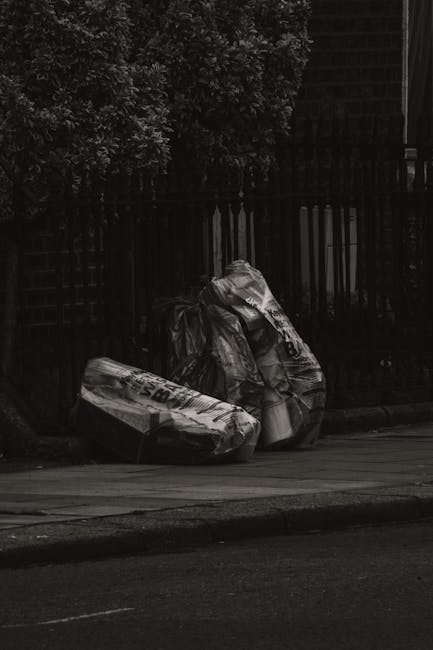
Redbridge Council bulk waste rules for Seven Kings residents: what to know before you book anything
If you live in Seven Kings and you've got a broken sofa, an old mattress, a heavy wardrobe, or a pile of mixed junk that simply will not fit in the car, the rules around bulk waste can feel oddly unclear. One minute you think it is simple. The next, you are wondering whether Redbridge Council will take it, whether you need to book it, and whether that chipped unit by the front gate is actually allowed outside yet.
This guide explains the Redbridge Council bulk waste rules for Seven Kings residents in plain English. You will get a practical run-through of how bulk waste is usually handled, what tends to be accepted, where people trip up, and how to choose the most sensible option when you need stuff gone quickly. If you want a broader clean-out beyond council rules, you can also look at our waste removal service or explore our furniture disposal page for bulky household items.
To be fair, most people do not need a lecture. They need a clear plan. So that is what this article gives you.
Table of Contents
- Why the bulk waste rules matter in Seven Kings
- How bulk waste collection works
- Key benefits and practical advantages
- Who this is for and when it makes sense
- Step-by-step guidance
- Expert tips for better results
- Common mistakes to avoid
- Tools, resources and recommendations
- Law, compliance, standards, and best practice
- Options, methods, and comparison table
- Case study or real-world example
- Practical checklist
- Conclusion
- Frequently asked questions
Why Redbridge Council bulk waste rules for Seven Kings residents Matters
Bulk waste rules matter because large items are not treated like normal bin waste. A black sack can go out on the usual collection day. A sofa, fridge, bed frame, or set of drawers is different. Councils need a separate process for bulky items because they take more room, take longer to load, and sometimes need special handling.
For Seven Kings residents, understanding the rules is useful for three reasons. First, it helps you avoid leaving items on the pavement and hoping for the best, which rarely ends well. Second, it saves time if you are trying to clear a room, move home, or deal with a late-stage tenancy handover. Third, it can stop unnecessary costs. A missed collection, a rejected item, or a failed booking can turn a simple job into a frustrating one. And nobody needs that on a rainy Tuesday morning with a hallway full of broken furniture.
There is also the local reality: Seven Kings homes include flats, terraced houses, converted properties, and busy shared buildings. Space is tight. Frontage access can be awkward. Lifts are not always available. So the practical side of bulk waste rules matters just as much as the written policy. Knowing what should go where keeps pathways clear and neighbours happier too.
Expert summary: If an item is too large for regular bins, plan the disposal method before moving it to the front of the property. That single step prevents most bulk waste headaches.
How Redbridge Council bulk waste rules for Seven Kings residents Works
Bulk waste collection generally means arranging for larger household items to be removed through the council's process, rather than placing them with standard refuse. The exact rules can change over time, so the safest approach is always to check the current local guidance before you book or put anything out.
In practice, the process usually follows a simple pattern:
- Identify the item type. Is it furniture, an appliance, garden waste, building debris, or mixed household junk?
- Check whether it is accepted. Some items may be collected, while others may need a specialist service or separate arrangement.
- Prepare the waste properly. Items often need to be easy to access and safe for loaders to handle.
- Book the collection or arrange an alternative. Depending on the item, this may be council collection or a private clearance.
- Put the waste out in the right way and at the right time. This is the bit people often get wrong.
Bulky waste is usually not about "anything big". It is about items that can be safely handled and processed. A sofa is one thing. A builder's rubble sack full of broken brick is another. A mattress is different again. That distinction matters because different waste streams are treated differently.
If you are dealing with mixed contents after a house clear-out, you may find it easier to use a broader service such as house clearance or home clearance, especially when the job involves several rooms rather than one awkward item.
Key Benefits and Practical Advantages
Following the right bulk waste route is not just about staying within the rules. It has real practical benefits.
1. Less hassle and fewer surprises
When you know what is allowed, you avoid the classic "I thought they'd take that" moment. That is a surprisingly common phrase, usually spoken while standing next to an item that has been refused.
2. Better planning for busy households
Families in Seven Kings often need waste removed around school runs, work schedules, and tight weekend windows. A clear plan means you can clear space without turning the house upside down for three days.
3. Safer handling of heavy items
Lifting bulky waste down stairs or through narrow hallways is where most accidents happen. Using the right route reduces strain and keeps the job safer for everyone involved. If you want to understand how a professional team approaches safety, our health and safety policy and insurance and safety information are useful reads.
4. Cleaner kerbside presentation
Left too early, bulky items can make a property look untidy, invite complaints, or obstruct footways. Seven Kings streets can get busy, especially near main routes, so timing matters more than people expect.
5. Better recycling outcomes
When waste is separated properly, reusable and recyclable materials are easier to process. That is better for the environment and usually better for your conscience as well. If sustainability matters to you, our recycling and sustainability page explains the approach we take.
Who This Is For and When It Makes Sense
This topic matters to anyone in Seven Kings who needs to dispose of larger-than-normal household items, but some people will feel the pressure more than others.
- Tenants moving out and needing a fast, tidy clear-down before checkout.
- Homeowners refurbishing a room and replacing old furniture in stages.
- Landlords or letting agents dealing with left-behind furniture after a tenancy ends.
- Families clearing a loft, garage, or spare room where things have quietly multiplied over the years.
- People replacing bulky furniture like wardrobes, sofas, beds, and cabinets.
- Anyone with limited access who cannot easily transport items to a reuse centre or local facility.
It also makes sense when the job is too awkward for a normal bin day but not large enough to justify a full-scale construction waste solution. If your item mix includes rubble, plasterboard, timber offcuts, or packaging from works, a specialist route such as builders waste clearance may be more appropriate.
Truth be told, the best option depends on volume, access, time pressure, and what exactly you are throwing away. There is no one-size-fits-all answer. Annoying, yes. But useful to know.
Step-by-Step Guidance
Here is the practical route we recommend for Seven Kings residents who want to stay on the right side of bulk waste rules.
Step 1: List every item
Write down what you need removed. Be specific. "Old stuff from the spare room" is not enough. "One wardrobe, two bedside tables, a broken chest of drawers, and one mattress" is much more helpful.
Step 2: Separate bulky waste from general rubbish
Mixing everything together can create problems. Keep furniture, appliances, bagged rubbish, and garden debris separate if possible. It makes the collection easier and may prevent refusal.
Step 3: Check for restricted items
Some items need specialist handling. Examples often include fridges, freezers, and certain hazardous materials. Do not assume they can go out with normal bulk waste. If in doubt, treat them separately and ask before moving them.
Step 4: Measure access points
It sounds a bit boring, but it saves a lot of grief. Measure doorways, stair turns, and tight corners. If a wardrobe will not fit out of a first-floor flat without dismantling, that is worth knowing before collection day.
Step 5: Decide on council or private removal
If the load is straightforward and you are happy with the timing, council collection may be suitable. If the waste is mixed, awkward, time-sensitive, or simply too much for one booking, a private collection can be the easier route. For smaller household clearances, furniture clearance is often a cleaner fit than trying to stretch bulk waste rules beyond their natural limit.
Step 6: Prepare the items properly
Remove personal belongings, empty drawers, tape loose doors shut, and make sure items are safe to move. A quick check now prevents a messy delay later. Also, don't leave screws or glass lying around. People forget that part. Very easy to do.
Step 7: Place the items only as instructed
Set them out at the correct time and location, and keep access routes clear. If the building has shared access, be considerate of neighbours and residents passing through.
Expert Tips for Better Results
If you want the job to go smoothly, a few habits make a big difference.
- Bundle similar items together. One area for furniture, one for bagged waste, one for anything specialist.
- Take photos before booking. A quick picture is often more useful than a long description, especially when the job is a bit mixed-up.
- Clear the path first. Hallways, porches, stairwells, and front gates should be unobstructed.
- Check for reusable items. If something still has life left in it, decide whether reuse, donation, or resale is possible before disposal.
- Plan around weather. It sounds trivial until a mattress gets soaked in a downpour. Then it suddenly matters very much.
We also recommend keeping one small notebook or phone note with dates, item types, and any booking details. It is not glamorous. But it helps when you are juggling a move, a clear-out, and everyday life all at once.
If your clearance involves a flat or upper-floor property, take a look at flat clearance because access, stair carrying, and neighbour considerations are often the real challenge, not the items themselves.
Common Mistakes to Avoid
Most bulk waste problems come from a handful of recurring mistakes. Fortunately, they are easy to avoid once you know them.
Leaving items out too early
People often put things outside the night before, or even sooner, because they want the job done. But early placement can create obstruction issues and make the property look abandoned. Not ideal.
Assuming everything counts as bulk waste
It does not. Different waste types need different handling. Garden cuttings, construction debris, and electrical appliances are each treated differently in practice.
Forgetting access restrictions
A collection vehicle or removal team may need space to work. If parking, alley access, or stairwell width is an issue, that needs to be planned. Seven Kings can be tight for kerb space, and that is just the reality of it.
Mixing prohibited and accepted items
One unsuitable item can spoil the whole load. Keep an eye on what is included.
Not reading the property rules
Flats, managed buildings, and shared estates may have separate rules about where waste may be left. A quick check with building management can save a lot of awkward conversations.
Trying to move heavy items alone
Let's face it, the "I'll just do it myself" plan is how people end up with a sore back and a scratched wall. Sometimes the smarter move is to get help.
Tools, Resources and Recommendations
You do not need fancy equipment, but a few basic tools make bulk waste prep much easier.
- Gloves for grip and protection.
- Moving straps or a trolley for awkward furniture.
- Dust sheets or old blankets to protect hallways and stairs.
- Strong tape for keeping drawers or doors shut.
- Measuring tape for checking access and item size.
- Marker pens or labels to mark what is staying and what is going.
For larger decluttering jobs, it can help to match the task to the service rather than forcing the task into the wrong box. For example, a cluttered loft may be better suited to loft clearance, while an overfilled garage may be more straightforward with garage clearance. Same problem in spirit, different practical shape.
If cost planning matters, our pricing and quotes information can help you understand how professional removal is normally approached. And if you are ready to discuss a job, contact us is the simplest next step.
Law, Compliance, Standards, or Best Practice
When bulk waste is involved, the main compliance issue is duty of care. In simple terms, waste must be handled responsibly, and it should go to a legitimate, appropriate route. That means not dumping it, not blocking shared access, and not placing unsuitable material where it can cause nuisance or risk.
For residents, the best practice is straightforward:
- present waste only in the way the collection guidance requires;
- separate obviously different waste types where possible;
- avoid putting out items that could obstruct pedestrians or neighbours;
- use a proper disposal route for anything that needs special treatment;
- keep records or confirmation of what you arranged if the matter might be queried later.
If you are using a private removal company, you should expect them to work safely, communicate clearly, and follow the usual standards of responsible waste handling. If a company cannot explain how they manage the waste stream, that is a small warning bell. Not a siren. Just a bell.
It is also sensible to check terms and conditions before booking anything, especially if you are arranging collection in a time-sensitive situation or from a property with access constraints.
Options, Methods, and Comparison Table
There is more than one way to deal with bulk waste in Seven Kings. The right method depends on timing, item type, access, and how hands-on you want to be.
| Option | Best for | Pros | Watch out for |
|---|---|---|---|
| Council bulk waste collection | Simple household bulky items | Useful for straightforward jobs and regular household needs | May have item limits, timing rules, or restricted categories |
| Private waste removal | Mixed loads, urgent clearances, awkward access | More flexible and often less stressful for complex jobs | Make sure the provider is reliable and transparent |
| Furniture-only collection | Sofas, beds, wardrobes, tables | Good when the waste is mostly household furniture | Not suitable for mixed or contaminated loads |
| Room or property clearance | Lofts, garages, flats, full homes | Best when there is a lot to remove in one go | Can be overkill for one item |
As a rule of thumb, if your item list starts to sound like a mini moving truck manifest, you are probably beyond the "single bulky item" stage. At that point, a tailored clearance service often saves time and back strain.
Case Study or Real-World Example
A common Seven Kings scenario goes like this: a resident is preparing to hand back a flat on a Friday afternoon. There is a broken two-seater sofa, a chest of drawers with one stuck drawer, a bed base, and a few bags of mixed clutter from the cupboard under the stairs. At first glance, it feels like a council bulk waste job. But once the list is checked, it is obvious the mix is broader than that.
The practical solution in that kind of case is usually to separate the obvious furniture from the mixed household items, decide what can be safely moved, and then choose the most efficient removal route. If the job is confined to furniture, a furniture clearance approach can work well. If there is a broader mix from different rooms, a more general home clearance may make more sense.
What makes this kind of situation tricky is not the sheer size. It is the timing. You can almost hear the clock ticking when a tenancy deadline is close. The people who plan one step ahead usually end up calmer, tidier, and less rushed. Funny how that works.
Practical Checklist
Use this before you arrange or place out bulk waste in Seven Kings.
- List every item clearly.
- Separate bulky items from general household rubbish.
- Check whether anything needs special handling.
- Measure access routes and doorways if items need moving indoors.
- Confirm whether the property has shared rules or estate restrictions.
- Decide whether council collection or private removal is the better fit.
- Remove personal belongings from drawers, cupboards, and hidden compartments.
- Keep walkways, stairs, and entrances clear.
- Set items out only at the instructed time.
- Keep any booking details or confirmations in one place.
Quick reality check: if you are still unsure after the list above, the job is probably more complex than a standard bulk waste pickup. That is not a failure. It just means you need the right disposal route.
Conclusion
For Seven Kings residents, the real value of understanding Redbridge Council bulk waste rules is simple: fewer mistakes, less stress, and a cleaner result. Once you know the basic process, the whole thing becomes much less intimidating. You can decide what is allowed, what needs a different route, and whether your job is a quick collection or a wider clearance.
And if the task has grown beyond one item or one room, it is worth choosing a solution that fits the situation rather than forcing it into a narrow category. That saves time, reduces mess, and usually feels a lot better on the day.
Get a free quote today and see how much you can save.
Small jobs, big jobs, awkward jobs - there is usually a sensible way through it. One careful step at a time.
Frequently Asked Questions
What counts as bulk waste in Seven Kings?
Bulk waste usually means large household items that are too big for standard bins or normal refuse collection, such as sofas, mattresses, wardrobes, tables, and similar items.
Can I put bulk waste on the pavement before collection day?
Usually, no, not until the correct time and only if the guidance for that collection says it is acceptable. Putting items out too early can create obstruction or nuisance issues.
Do Redbridge Council bulk waste rules cover fridges and freezers?
Not always in the same way as ordinary furniture. Fridges and freezers often need separate handling because they are treated differently from standard bulky household items.
What if my item is too heavy to move safely?
Do not force it. If an item is too heavy, awkward, or likely to cause damage, it is usually better to arrange help rather than risk injury or property damage.
Is it better to use council collection or a private clearance service?
That depends on the load. Council collection can suit simple bulky items, while private clearance is often better for mixed loads, urgent jobs, or awkward access.
Can I dispose of a whole room's contents as bulk waste?
Usually not as one simple bulk item collection. A room clearance is typically a better fit when you are dealing with multiple item types from several areas.
What should I do with mixed rubbish and furniture?
Separate what you can first. If the mix is substantial, a broader service such as house clearance or home clearance may be more practical than trying to break it into bits yourself.
How do I avoid missed collections?
Read the collection instructions carefully, present the items correctly, and keep access clear. Most missed collections happen because of timing, access, or item type issues.
Are there rules for flats and shared buildings in Seven Kings?
Yes, there can be. Shared entrances, stairwells, and estate rules often matter as much as the collection itself, so it is wise to check building requirements first.
Can I get help with furniture disposal if I am replacing old items?
Yes. Furniture disposal is often the most straightforward route when you are replacing one or more large household pieces and want them removed responsibly.
What if I need waste removed from a garage, loft, or garden?
Those spaces are often better handled as a dedicated clearance job because the contents are usually mixed and access can be awkward. Garage clearance, loft clearance, and garden clearance are all common examples.
How do I know if my waste should go to a specialist service?
If it includes builders' waste, electrical items, mixed rubbish, or a large volume from several rooms, it probably needs more than a basic bulk collection. When in doubt, get the load checked before moving it.
If you want a clearer view of who handles your enquiry and how the process works, you can also read about us on our about us page. And if you are checking our wider approach to responsible operations, our complaints procedure, payment and security, and accessibility statement pages may be useful too.